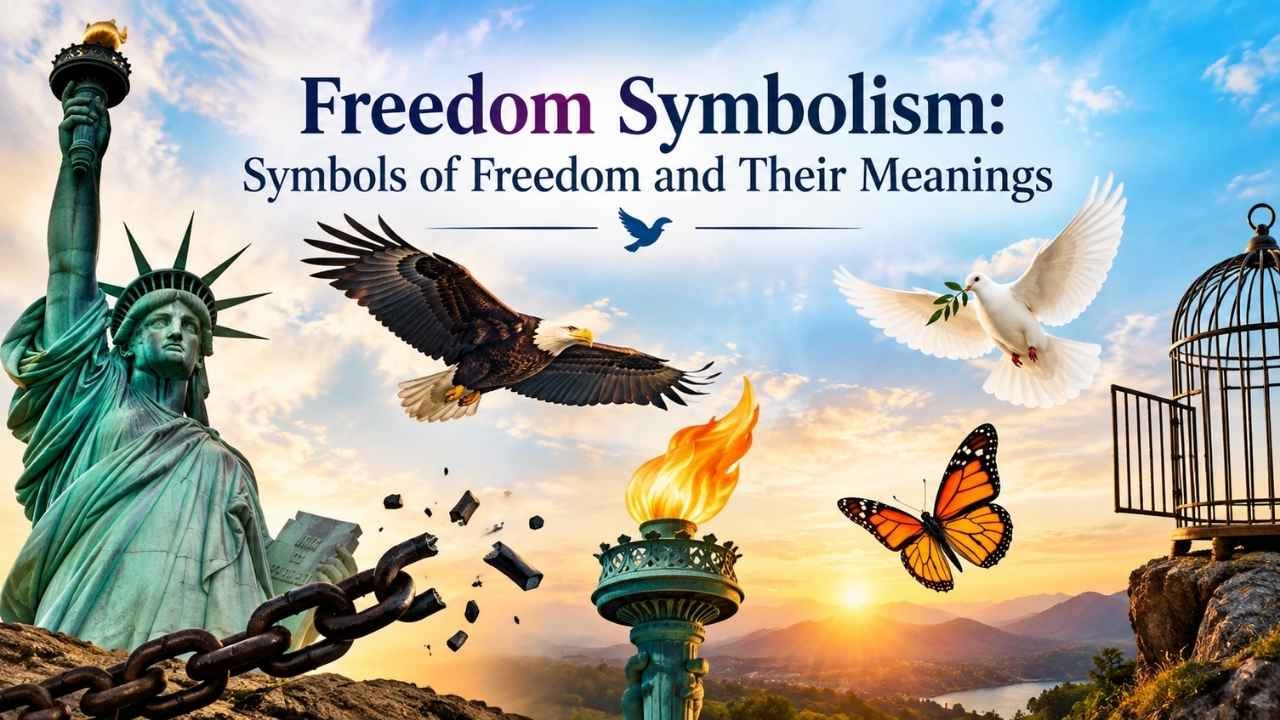
Freedom symbolism represents liberty, independence, choice, courage, and liberation through powerful images and ideas. A flying bird, broken chain, open cage, or the Statue of Liberty can express freedom without saying a word. These symbols help turn an abstract idea into something people can easily see and understand.
The meaning of a symbol of freedom can change depending on culture and context. Some symbols represent freedom from oppression, while others reflect personal independence, emotional release, or the courage to choose your own path.
Nature, animals, historical objects, and spiritual images can all carry different meanings. In this guide, we’ll explore the most meaningful symbols of freedom, their history, cultural meanings, and what they represent in different situations.
Quick Answer
Freedom symbolism uses objects, animals, and images to represent liberty, independence, liberation, and personal choice. Common symbols include birds in flight, broken chains, wings, the Statue of Liberty, the bald eagle, and open cages.
What Does Freedom Symbolize?
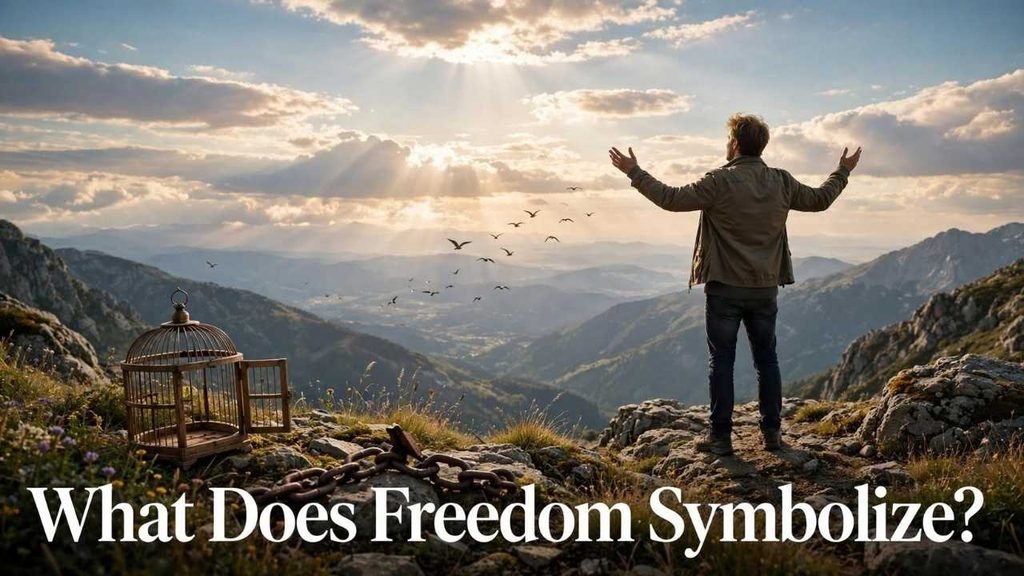
Freedom can mean different things to different people, so freedom symbolism covers more than one idea. At its heart, freedom often represents the ability to live, choose, move, speak, and act without unfair control. That is why symbols of freedom often show movement, release, strength, or open possibilities.
A broken chain can represent freedom from oppression, while an open cage can suggest escape from limits. A bird flying through the sky can represent freedom of movement, choice, and independence. Other symbols connect freedom with liberty, equality, justice, courage, and self-determination.
In many cultures, people also use freedom symbols to express personal independence and emotional release. Understanding these different meanings helps explain why no single symbol of freedom can represent every person’s idea of freedom.
Freedom as Liberation From Restraint
One of the clearest meanings of freedom involves breaking away from something that limits or controls you. This idea appears in some of the most powerful freedom symbols, including broken chains, broken shackles, handcuffs, and open cages.
Broken chains often represent liberation from slavery, oppression, imprisonment, or unfair control. Their message feels simple: something once held a person back, but that restraint no longer has power. An open cage carries a similar meaning because it shows that someone or something has escaped confinement.
These images can also represent personal freedom. A person may use them to express freedom from fear, harmful habits, difficult situations, or past limitations. Because of this, restraint-based imagery works well when people want a symbol of freedom from oppression or a visual reminder that they have broken free.
Freedom as Independence and Self-Determination
Freedom also represents the ability to make your own choices and control your own direction. This meaning connects freedom symbols with independence, self-determination, sovereignty, and personal choice.
The bald eagle, for example, often represents American independence, strength, and national identity. Flags can also express freedom when they represent an independent nation and its right to govern itself. Historical symbols such as the Liberty Bell connect freedom with liberty and the struggle for equal rights.
On a personal level, symbols of independence can represent the freedom to choose your own goals, beliefs, relationships, and way of life. This makes symbols of freedom and independence especially meaningful to people who have overcome control or learned to trust their own decisions. In this sense, freedom does not simply mean being free from something. It also means having the power to choose your own path.
Freedom as Choice and Personal Autonomy
Freedom becomes meaningful when people can make choices for themselves. This idea gives many everyday objects a strong place in freedom symbolism. An open door, key, unlocked lock, road, or crossroads can represent the chance to decide what comes next.
A key can symbolize control, access, and the ability to unlock something that once remained closed. An open door can represent new opportunities and the freedom to choose a different direction. An open road can suggest independence because it gives a person many possible paths.
These symbols work especially well for personal freedom because they focus on choice rather than political power. They can represent leaving a difficult situation, starting a new chapter, or following a dream. For many people, the strongest symbol of freedom may simply be an image that reminds them: “I can choose what comes next.”
Freedom as Movement and Open Possibility
Freedom often feels closely connected with movement and open space. When nothing blocks your path, you can travel, explore, and decide where you want to go. This idea explains why birds, wings, open skies, roads, oceans, and wide horizons appear so often in symbols of freedom.
A bird in flight provides one of the clearest examples. It can move through the air without fences or walls, making it a natural image of unrestricted movement. Wings carry a similar meaning because they suggest the ability to rise above limits and travel freely.
An open road can also symbolize independence, adventure, and new possibilities. The open sky may represent unlimited choices because nothing appears to block the view. These images show that freedom does not always mean escaping oppression. Sometimes it simply means having the space and opportunity to explore life on your own terms.
The Most Powerful and Recognized Symbols of Freedom
People have used many images to express freedom, but some have become widely recognized because of their strong history and clear visual meaning. The Statue of Liberty, bald eagle, Liberty Bell, broken chains, bird in flight, dove, and torch are among the best-known examples.
Each symbol represents a different side of freedom. The Statue of Liberty connects liberty with hope and democracy, while the bald eagle often represents independence and strength. The Liberty Bell has strong links to American liberty and civil rights. Broken chains express release from oppression, while birds and wings suggest movement and personal freedom.
A torch can represent light, knowledge, and liberty, while a dove often connects freedom with peace and hope. Together, these images show that freedom symbolism has many forms. Some symbols come from history, while others grow from simple human ideas such as movement, choice, release, and hope.
Freedom Symbols and Their Meanings Across Different Cultures
- African and Akan freedom symbols
- European symbols of liberty
- American freedom symbols
- Asian freedom symbolism
- Ancient cultural traditions
- Why the same symbol can have different meanings
Symbols of Freedom From Oppression and Injustice
- Broken chains and shackles
- Raised fist
- Freedom quilts
- Civil rights symbols
- Emancipation and abolition symbolism
- Symbols of resistance and courage
- Freedom and human rights
Symbols of Personal Freedom and Emotional Liberation
- Breaking free from limitations
- Freedom from fear and self-doubt
- Open doors and windows
- Open roads
- Birds and wings
- Starting over and new beginnings
- Self-expression and independence
Spiritual Symbols of Freedom and Inner Liberation
- Freedom of the soul
- Spiritual awakening
- Light and enlightenment
- Lotus symbolism
- Open hands
- Flowing water
- Freedom from attachment
- Inner peace and emotional release
Freedom Symbols in Modern Society and Popular Culture
- Freedom of speech and expression
- Human rights campaigns
- Protest and resistance symbols
- Digital and internet freedom
- Freedom symbols in movies, music, and art
- Modern graphic design and logos
- How people use freedom symbols today.
Statue of Liberty
The Statue of Liberty is one of the world’s best-known symbols of freedom. Its torch represents light, knowledge, and hope, while the broken chains at its feet symbolize liberation from oppression. It is also associated with liberty, independence, opportunity, democracy, and personal freedom.
Bald Eagle
The bald eagle symbolizes freedom, independence, strength, and courage, especially in American culture. Its ability to fly across wide open spaces gives it a natural connection with freedom. It can also represent national independence, confidence, sovereignty, and self-direction.
Liberty Bell
The Liberty Bell is a well-known American symbol of freedom, liberty, and equality. Its history connects it with independence and later movements for civil rights. Today, it can represent democratic ideals, equal rights, independence, and the ongoing pursuit of liberty.
Broken Chains
Broken chains are a powerful symbol of freedom and liberation from oppression. Because chains represent restraint, breaking them suggests escaping control and gaining independence. The symbol can relate to slavery, injustice, imprisonment, personal struggles, or overcoming limitations and reclaiming control over your life.
Bird in Flight
A bird in flight is one of the clearest natural symbols of freedom. Its ability to travel through open skies represents movement, independence, escape, and new possibilities. Different birds may add other meanings, but flight commonly expresses having the freedom to choose your own path.
Dove
The dove commonly symbolizes peace but can also represent freedom, hope, and liberation. Its gentle flight connects it with open space and movement. As a symbol of freedom and peace, it can express release from conflict, fear, or oppression and the hope for a safe, peaceful future.
Torch
The torch is associated with liberty, knowledge, hope, and enlightenment. Its flame represents light overcoming darkness and can suggest progress and a brighter future. The torch on the Statue of Liberty is a famous example, connecting the symbol with freedom, courage, knowledge, and opportunity.
Open Birdcage
An open birdcage represents freedom, escape, independence, and emotional release. The cage symbolizes confinement, while its open door suggests that restrictions have ended. It can represent leaving an unhealthy situation, overcoming limitations, or gaining the opportunity to make choices and move toward new possibilities.
Wings
Wings are powerful symbols of freedom because they allow creatures to rise, travel, and move beyond physical limits. They can represent independence, courage, ambition, personal growth, and movement. Wing imagery often expresses the desire to overcome obstacles and gain the confidence to follow your own path.
Butterfly
The butterfly symbolizes transformation, personal freedom, and new beginnings. Its life cycle represents major change, while its wings suggest movement and open possibilities. As a freedom symbol, it can represent breaking free from limitations, leaving the past behind, personal growth, and starting a new chapter.
FAQ’s
What Is the Most Common Symbol of Freedom?
A bird in flight is one of the most common symbols of freedom because it represents movement, independence, and the ability to choose your own path.
What Animal Symbolizes Freedom?
The eagle often symbolizes freedom, strength, and independence. Other animals, such as horses, birds, wolves, and butterflies, can also represent freedom.
What Do Broken Chains Symbolize?
Broken chains commonly represent liberation from oppression, slavery, control, or other forms of restriction. They show that a person has broken free from something holding them back.
What Does the Statue of Liberty Symbolize?
The Statue of Liberty represents liberty, hope, independence, and freedom. Its torch and broken shackles reinforce its connection with enlightenment and liberation.
What Symbol Represents Personal Freedom?
An open door, open road, bird, wings, or open cage can represent personal freedom. These symbols often express choice, independence, new beginnings, and freedom from limitations.
Conclusion
Freedom symbolism gives people a powerful way to express ideas that words cannot always capture. From birds, wings, and open roads to broken chains, the Statue of Liberty, and the Liberty Bell, each symbol can represent a different side of freedom, including liberty, independence, courage, peace, self-expression, and liberation from oppression.
Cultural and personal meanings can also change depending on history, beliefs, and individual experiences.
Whether you are exploring symbols of freedom across cultures, looking for a meaningful tattoo, studying historical symbols, or searching for a symbol of personal freedom, the right image can carry a deeply personal message. Ultimately, freedom means having the choice, confidence, and opportunity to live life on your own terms.