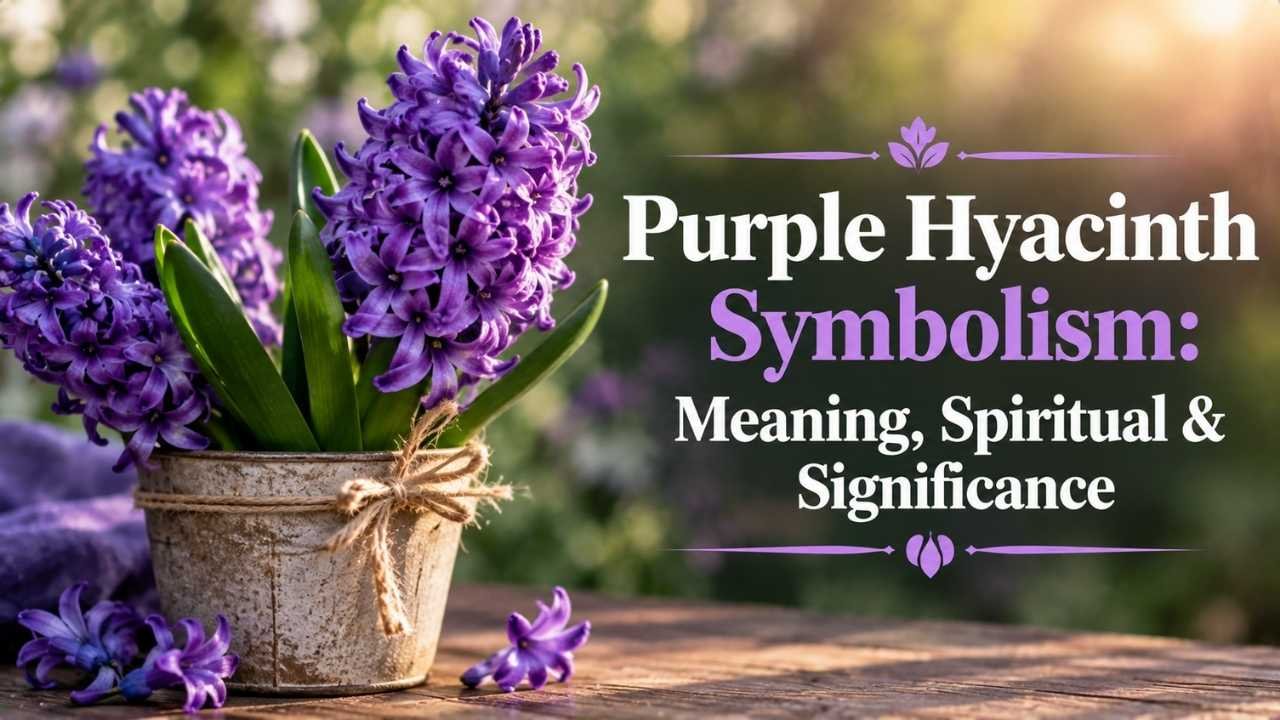
Purple hyacinth symbolism carries a deep mix of emotion, beauty, history, and meaning. This fragrant spring flower often represents forgiveness, apology, sorrow, regret, remembrance, dignity, and renewal. Unlike flowers that mainly express happiness or romantic love, the purple hyacinth can express more complex feelings, especially when someone wants to show sincere regret or remember an emotional experience.
The flower also connects with Greek mythology, traditional flower language, and the symbolic meaning of the color purple. These connections help explain why people associate purple hyacinths with emotional healing, reflection, and reconciliation. Traditional sources commonly connect the purple variety with sorrow and a request for forgiveness.In this guide, we will explore the purple hyacinth meaning in love, spirituality, grief, dreams, relationships, gifts, tattoos, and other situations.
Quick Answer
Purple hyacinth symbolism centers on forgiveness, apology, sorrow, remembrance, dignity, healing, and renewal. It can express sincere regret or a wish to repair a relationship. Spiritually, people may connect it with reflection, growth, and transformation. Its meaning can change with the situation, culture, and personal experience, so no single interpretation applies universally.
What Does a Purple Hyacinth Symbolize?
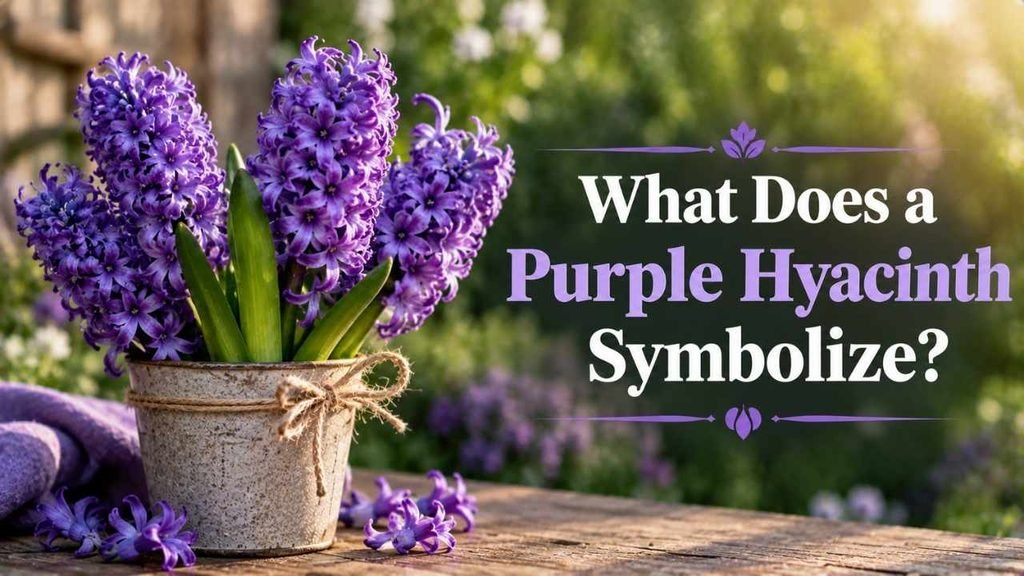
A purple hyacinth symbolizes forgiveness, sorrow, regret, apology, remembrance, and emotional healing. Among its strongest traditional meanings, forgiveness and sorrow stand out because flower-language sources connect purple hyacinths with a sincere request for pardon.
The flower can also represent dignity and emotional depth. Its rich purple color gives it a serious and thoughtful feeling, while its spring bloom adds a sense of renewal and hope. This creates an interesting balance between sadness and fresh beginnings.
In a personal situation, a purple hyacinth may communicate a message such as, “I regret what happened, I remember what matters, and I hope healing is possible.” However, flower meanings do not work like fixed rules. The meaning can change depending on the relationship, occasion, culture, and reason for giving the flower.
Purple Hyacinth Meaning of Apology and Forgiveness
One of the clearest meanings linked to the purple hyacinth is apology and forgiveness. Traditional flower symbolism often uses this flower to express sorrow and a sincere wish to be forgiven. This makes purple hyacinths meaningful after an argument, misunderstanding, or personal mistake. The flower can quietly support words such as “I am sorry” or “Please forgive me.”
It works especially well when the person giving it wants to show that the apology carries real emotion. Purple hyacinths can also represent reconciliation. Instead of focusing only on the mistake, the flower can suggest a desire to repair trust and move forward. Still, a flower should support a genuine apology rather than replace it. Honest words, changed behavior, and respect matter more than the gift itself. The purple hyacinth simply adds a thoughtful symbolic message to that effort.
Why Is Purple Hyacinth Associated With Sorrow?
The connection between purple hyacinth symbolism and sorrow comes largely from the traditional meaning of the hyacinth and its famous Greek myth. In the story of Hyacinthus and Apollo, Hyacinthus dies during a discus accident, and Apollo grieves deeply after his death. The myth helped connect the flower with loss, sorrow, and remembrance.
The purple variety later became strongly associated with regret and asking for forgiveness. Its dark, rich color also creates a serious emotional tone. However, purple hyacinth does not simply mean sadness. It can represent the movement from sorrow toward healing.
The flower blooms again in spring, which gives its symbolism another layer: pain can exist alongside hope, memory can exist alongside renewal, and an emotional ending can become the beginning of personal growth. This balance makes the flower especially meaningful for grief, reflection, and emotional change.
Purple Hyacinth Spiritual Meaning
The purple hyacinth spiritual meaning often focuses on reflection, inner growth, healing, transformation, and emotional renewal. Modern spiritual interpretations connect the flower’s rich purple color with deeper thought, intuition, wisdom, and spiritual awareness. From this viewpoint, seeing or receiving a purple hyacinth may encourage someone to slow down and look honestly at their emotions. It can symbolize the need to forgive, release old pain, and grow through difficult experiences.
Some spiritual traditions also connect purple with higher awareness and the crown chakra, although these ideas belong to modern symbolic or spiritual interpretation rather than established scientific fact. The flower can therefore serve as a personal reminder rather than a prediction or supernatural sign. Its deeper message may be simple: reflect on the past, learn from it, heal what you can, and make room for a new chapter.
Purple Hyacinth Meaning in Love and Relationships
The purple hyacinth meaning in love differs from the message of a traditional red rose. Instead of expressing simple passion, it often represents deep emotion, regret, sincerity, forgiveness, and relationship healing. For couples, purple hyacinths can carry meaning after an argument or difficult period. Giving them may symbolize “I am sorry,” “I value our relationship,” or “I want us to heal.” This makes the flower especially suitable when love includes emotional honesty and a desire to rebuild trust.
Purple hyacinths can also represent the quieter side of love. They may express emotional depth, loyalty, remembrance, and sincere connection rather than excitement or new romance. If someone gives you these flowers after a disagreement, the gesture may suggest that they want peace or reconciliation. The exact message still depends on the relationship and the intention behind the gift.
Purple Hyacinth Meaning for Grief and Remembrance
The purple hyacinth meaning for grief and remembrance comes naturally from its traditional connection with sorrow and the Greek story of Hyacinthus. Because of these associations, people may use the flower as a symbolic way to honor someone they have lost.
In a memorial setting, the flower can represent love that remains, cherished memories, sorrow, and emotional healing. Its spring blooming also adds a gentle message of renewal. It does not suggest that someone should forget their grief. Instead, it can symbolize carrying the memory forward while slowly finding peace.
A purple hyacinth can therefore work as a sympathy flower or remembrance flower, especially when the goal is to express respect without using an overly bright or cheerful symbol. Still, it is important to remember that no flower universally represents death. Purple hyacinth is better understood as a symbol of grief, remembrance, and renewal rather than death itself.
The Greek Myth Behind Purple Hyacinth Symbolism
The Greek mythology behind the hyacinth plays an important role in understanding its symbolism. According to the well-known myth, Hyacinthus, a beautiful young man loved by Apollo, died during a discus game. After the tragic accident, Apollo mourned his loss, and the flower was said to grow from Hyacinthus’s blood.
This story connected the hyacinth with grief, sorrow, remembrance, and emotional loss. Over time, those themes became part of the flower’s wider symbolic meaning. The myth also gives the flower a second message: life can emerge from loss. A flower growing from tragedy creates a natural image of transformation and renewal.
That idea helps explain why modern interpretations sometimes connect purple hyacinths with healing and new beginnings. Although the myth does not prove that every purple hyacinth carries the same meaning, it provides an important cultural background for the flower’s long association with sorrow and remembrance.
How the Color Purple Changes the Flower’s Meaning
The purple color symbolism adds another layer to the meaning of the hyacinth. Purple has long been associated with dignity, royalty, wisdom, mystery, and spiritual depth. When these ideas combine with the traditional hyacinth meanings of sorrow and forgiveness, the flower can feel serious, graceful, and emotionally rich.
This is why a purple hyacinth can express more than a simple apology. It may show respect, emotional maturity, reflection, or sincere regret. The color can also suggest quiet strength during a difficult period. In spiritual interpretations, purple often represents inner wisdom and transformation.
When paired with a spring-blooming hyacinth, it can create a message of moving through pain toward healing. These meanings are symbolic rather than universal rules, so personal experience and cultural tradition still shape the message.
Purple Hyacinth Meaning in Dreams
The purple hyacinth dream meaning often depends on what happens to the flower in the dream. Because purple hyacinths traditionally connect with sorrow, forgiveness, and remembrance, dreaming about them may reflect your own feelings about an emotional situation. A blooming purple hyacinth may represent healing, hope, or a fresh emotional chapter. Receiving one could reflect a wish for forgiveness or reconciliation. Giving one may suggest that you want to apologize or repair a relationship.
A wilting hyacinth could symbolize sadness, emotional exhaustion, or something from the past that still affects you. Planting one may represent personal growth and a desire to start again. Dreams do not have one fixed meaning, however. Your memories, emotions, relationships, and personal experiences can strongly influence dream images. Treat the flower as a symbol for reflection rather than a prediction of what will happen.
What Does Purple Hyacinth Mean When Someone Gives It to You?
When someone gives you a purple hyacinth, the gesture may carry a thoughtful emotional message. Traditionally, the flower can express sorrow, regret, apology, and a request for forgiveness, making it especially meaningful after a disagreement or difficult conversation.
The gift does not always mean that the person has done something wrong. Depending on the situation, it may also express respect, sympathy, remembrance, or emotional support.If a partner gives you purple hyacinths after an argument, the gesture may suggest a wish for reconciliation and healing.
If a friend gives them during a difficult period, the flowers may show care and emotional understanding.The surrounding situation matters most. A bouquet with a personal note can make the message clearer. Rather than assuming one fixed meaning, consider who gave the flowers, why they gave them, and what happened before the gift.
Purple Hyacinth Symbolism for Healing and New Beginnings
Purple hyacinth symbolism for healing comes from the way several meanings work together. The flower can represent sorrow and regret, while its spring bloom can suggest renewal, growth, and a fresh beginning. This creates a natural emotional journey: you recognize pain, express regret, offer forgiveness, and then begin moving forward.
The flower does not erase the past. Instead, it can symbolize learning from it and choosing a healthier direction. For someone starting a new chapter, a purple hyacinth may represent emotional closure, personal transformation, and hope after a difficult season. It can also remind you that healing does not happen instantly.
The flower’s return during spring makes the idea of renewal especially fitting. After a period of stillness, the bulb produces new growth and fragrant blooms. As a symbol, this can represent a fresh start, inner strength, and the courage to grow beyond an old experience.
Purple Hyacinth Symbolism in Different Situations
The meaning of a purple hyacinth can change depending on where and why you encounter it. In a bouquet, it may communicate apology, forgiveness, sincerity, or emotional depth. In a relationship, it can suggest reconciliation after conflict. Traditional sources especially connect the flower with asking for forgiveness.
At a memorial or funeral, purple hyacinths may represent sorrow, remembrance, sympathy, and respect. Their serious color can create a calm and thoughtful feeling. In a garden, the flower may simply represent spring, beauty, renewal, and personal enjoyment, although you can still give it symbolic meaning.
As a gift, the message depends on the relationship and occasion. After an argument, it may suggest regret. During grief, it may communicate remembrance. During a new chapter, it may symbolize healing.The most useful approach is to consider the context first, rather than treating flower symbolism as a strict code.
Purple Hyacinth Tattoo Meaning
A purple hyacinth tattoo can carry a deeply personal meaning because tattoos allow people to preserve important memories or life lessons. Common symbolic ideas include forgiveness, remembrance, healing, transformation, sorrow, and emotional strength.
Someone may choose this flower to remember a loved one or mark an important period of grief. Another person may use it to represent moving beyond regret and beginning again. The traditional connection between purple hyacinths and forgiveness can also make the design meaningful after a major emotional change. The tattoo does not have to represent sadness.
The flower’s spring growth can add ideas of renewal, hope, and personal transformation. Some people may also choose a purple hyacinth because they connect purple with dignity, wisdom, spirituality, or mystery. Adding dates, names, leaves, other flowers, or meaningful symbols can make the tattoo more personal. Ultimately, the strongest tattoo meaning comes from the story the flower represents in your own life.
Purple Hyacinth vs Other Hyacinth Colors
Hyacinth meaning by color can change significantly. Purple hyacinths traditionally represent sorrow, regret, and a request for forgiveness, making them one of the most emotionally serious choices. Blue hyacinths are commonly associated with sincerity, constancy, and loyalty. Pink hyacinths often carry a lighter feeling connected with playfulness, affection, or cheerful emotion. White hyacinths can represent loveliness, purity, prayer, or gentle sympathy.
Yellow hyacinths have traditionally been associated with jealousy in some flower-language traditions. These meanings come from different traditions and sources, so they should not be treated as universal rules. If your message centers on apology or forgiveness, purple fits that traditional symbolism. If you want to express loyalty or sincerity, blue may communicate a different feeling. The color can therefore change the emotional message even when the flower stays the same.
FAQ’S
What does a purple hyacinth symbolize?
A purple hyacinth symbolizes forgiveness, apology, sorrow, regret, remembrance, and emotional healing. Purple also adds ideas of dignity, wisdom, and spiritual depth.
Is purple hyacinth an apology flower?
Yes. Traditional flower language strongly associates the purple hyacinth with sorrow and asking for forgiveness, making it a meaningful apology flower.
What does purple hyacinth mean spiritually?
Spiritually, people may interpret it as a symbol of reflection, healing, inner growth, transformation, and renewal. These are symbolic beliefs rather than proven spiritual facts.
What does purple hyacinth mean in love?
In love, it can represent deep feelings, regret, forgiveness, reconciliation, and emotional honesty. It often suits a relationship that needs healing rather than simple romantic attraction.
What does dreaming of a purple hyacinth mean?
A purple hyacinth in a dream may represent forgiveness, emotional healing, remembrance, or a new beginning, depending on the dream and your personal experiences.
Conclusion
Purple hyacinth symbolism brings together several powerful ideas, including forgiveness, apology, sorrow, remembrance, dignity, healing, and renewal. Its connection with the Greek myth of Hyacinthus helps explain its long association with grief, while traditional flower language gives purple hyacinths a strong meaning of regret and asking for forgiveness.
At the same time, the flower can carry a hopeful message. Its spring bloom makes it a natural symbol of new beginnings and emotional growth. Whether you see it in a bouquet, garden, dream, memorial, or tattoo, its meaning depends on the situation. Rather than treating flower symbolism as a fixed rule, use the purple hyacinth as a way to express what words sometimes struggle to say: I remember, I regret, I forgive, I heal, and I am ready to grow.