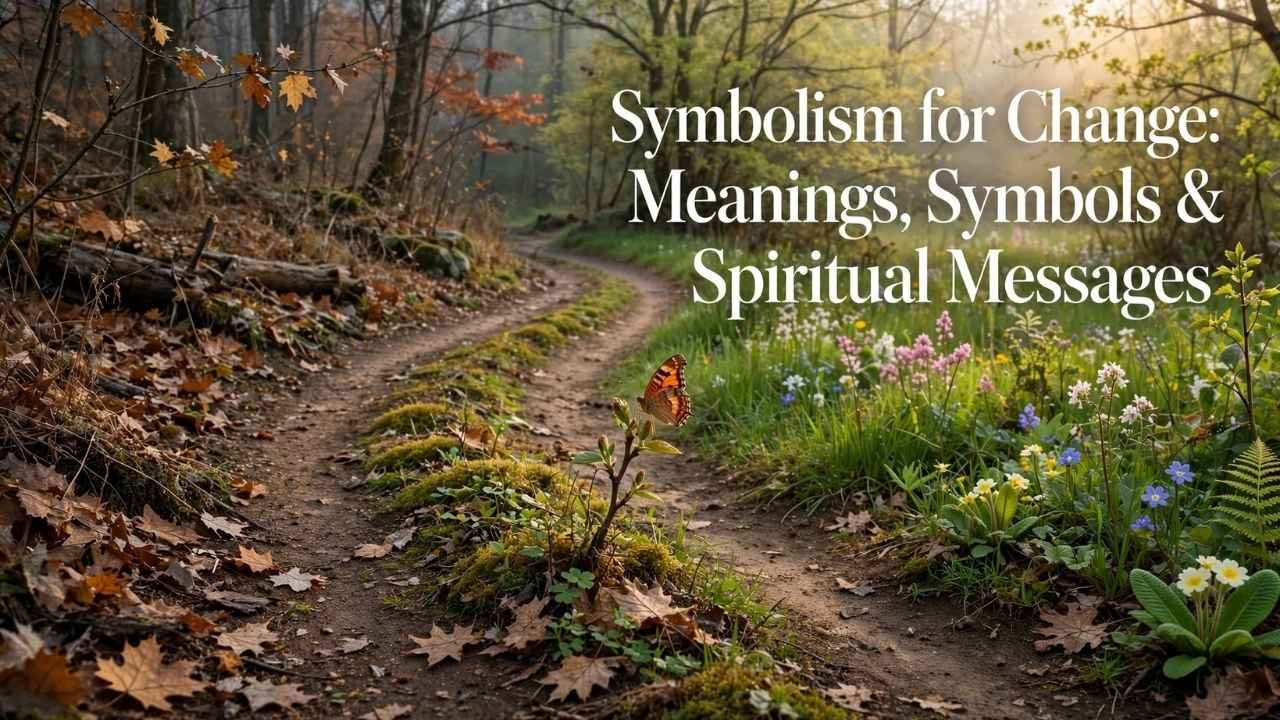
Symbolism for change helps us express the powerful moments when we leave something behind, begin again, or grow into a new version of ourselves. Change is a natural part of life, and certain symbols can capture feelings that words cannot always explain.
A butterfly, sunrise, snake, moon, or growing tree can represent different parts of the change process. So, what symbolizes change? The answer depends on the type of change you experience. Some symbols represent personal growth, while others suggest renewal, rebirth, healing, or new beginnings.
In spiritual traditions, symbolism for change can also represent inner growth and the journey into a new stage of life. In this guide, we will explore meaningful symbols of change, their meanings, spiritual connections, and the different ways people interpret them.
Quick Answer
Symbolism for change often includes the butterfly, phoenix, snake, lotus, moon, and sunrise. These symbols of change can represent transformation, renewal, personal growth, healing, rebirth, and new beginnings.
What Does Change Symbolize?
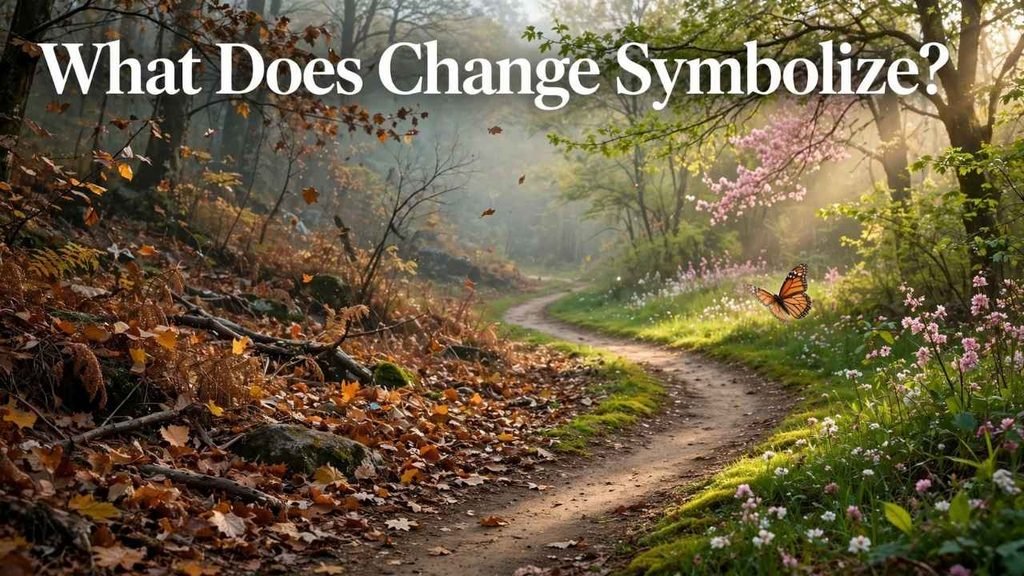
Change symbolizes movement from one stage of life to another. It can mean leaving the past behind, learning from an experience, adapting to a new situation, or becoming a different version of yourself. Because of this, the symbolism of change often connects with transformation, growth, renewal, rebirth, and new beginnings. Different symbols can represent different types of change.
A butterfly often represents personal transformation because it moves through major stages of development. A snake can represent renewal because it sheds its old skin. The moon can symbolize cycles because its appearance changes over time. A sunrise can represent a fresh start after darkness. The meaning can also change with culture, tradition, and personal experience. There is no single meaning for every symbol. At its heart, change symbolism reminds us that life continues to move forward.
Powerful Symbols for Change and Their Meanings
Many objects, animals, and natural events can represent change and transformation. The butterfly stands for personal transformation, while the phoenix often represents rebirth after a difficult period. A snake can symbolize renewal, especially because it sheds its skin. The lotus represents growth through difficult conditions, while the moon reflects cycles and transition.
Other powerful symbols of change include the sunrise, which can represent a new beginning, and water, which can suggest movement and adaptability. The seasons show how life naturally moves through different stages. The ouroboros represents cycles and renewal, while the spiral can suggest steady growth. A tree represents long-term growth, a seed represents potential, and a dragonfly can represent transformation. Cherry blossoms can remind us of change and impermanence, while a compass can represent a new direction.
Spiritual Meaning of Symbols for Change
In spiritual traditions, symbols for change can represent an inner shift as much as an outer one. A person may connect change with spiritual growth, renewal, healing, or awakening. These meanings often become important when someone enters a new stage of life or leaves an old habit, belief, or relationship behind.
The butterfly can represent a deep personal transformation, while the phoenix can symbolize rebirth after hardship. The lotus may represent spiritual growth that develops through difficult experiences. The moon can remind people that life moves through cycles, with periods of growth, rest, and renewal.
Some people also see change as a chance to release the past and make room for something new. In this sense, spiritual symbolism of change can offer comfort during uncertain times. These meanings come from beliefs and traditions, so people may understand them in different ways. The key idea is inner transformation and personal growth.
Symbols for Personal Transformation and Growth
Some symbols of transformation focus on becoming a stronger, wiser, or more aware version of yourself. These symbols can feel especially meaningful during major life changes, such as starting a new career, ending an old habit, or entering a new stage of personal development.
The butterfly remains one of the clearest symbols of personal transformation because it changes from a caterpillar into a completely different form. The lotus can represent growth through difficult conditions, while a tree can show steady development over time. A seed represents hidden potential because it starts small but can grow into something much larger.
The spiral can also represent personal growth because it suggests movement and development rather than a straight path. Together, these personal transformation symbols show that growth does not always happen quickly. Sometimes, personal change happens slowly through small steps, lessons, and new experiences.
Symbols for New Beginnings and Fresh Starts
A new beginning often follows an ending. For this reason, many symbols of new beginnings also represent hope, renewal, and the chance to start again. These symbols can feel meaningful when someone begins a new relationship, changes direction, moves to a new place, or starts a different chapter of life.
The sunrise is a simple symbol of a fresh start because it brings light after darkness. A seed can represent a new beginning because it contains the potential for future growth. Spring represents renewal as plants return and nature begins another cycle. The phoenix can symbolize starting over after a difficult period.
An open doorway can also represent entering something new, while an egg can suggest hidden potential and a new stage waiting to develop. Together, these symbols for new beginnings remind us that an ending does not always mean failure. Sometimes, it creates space for growth, hope, and a new chapter.
Symbols for Letting Go and Moving Forward
Change does not always mean gaining something new. Sometimes, it means letting go of the past so you can move forward. This part of change can feel difficult, especially when an old habit, relationship, place, or stage of life still holds meaning. Several symbols can help express this process.
A snake shedding its skin can represent releasing an old version of yourself. Falling leaves can symbolize letting go when a season ends. Flowing water can represent movement and the idea that life does not remain still. A sunset can mark the end of one period before a new day begins.
An open door can suggest leaving one place behind and entering another. These symbols for letting go do not suggest that the past has no value. Instead, they can represent acceptance, release, and moving forward. They remind us that change often requires us to make room for something new.
Symbols for Difficult Change, Healing and Resilience
Not every change feels exciting or positive. Some changes come through loss, disappointment, failure, or unexpected events. In these situations, symbols of resilience can represent the strength needed to rebuild and continue. They can also connect change with healing and personal growth.
The phoenix strongly represents this idea because it rises again after destruction in traditional stories. The lotus can symbolize growth despite difficult surroundings. A tree can represent strength because its roots help it remain grounded while it continues to grow. Fire can symbolize destruction, but it can also represent renewal when something new develops afterward.
A mountain can represent a difficult challenge and the effort needed to reach a higher place. These symbols for difficult change show that transformation can happen through struggle. They can also represent healing, courage, resilience, and hope. Change may feel painful at first, but people can learn, adapt, and grow through it.
Animal Symbols That Represent Change
Animals often make powerful symbols of change because many animals naturally adapt, grow, shed, migrate, or move through different stages. Their behavior gives people simple ways to understand transformation and personal development.
The butterfly represents transformation through its life cycle. The snake can symbolize renewal because it sheds its skin. A dragonfly can represent change and maturity as it develops through different stages. A frog can symbolize transformation because it changes greatly as it grows from a tadpole into an adult. A chameleon can represent adaptability because it changes its appearance and responds to its surroundings.
The phoenix, although mythical, represents rebirth and renewal. Koi fish can also connect with growth, strength, and persistence in some traditions. These animals that symbolize change show that transformation can take many forms. Some represent physical change, while others represent adaptation, growth, resilience, or rebirth.
Flowers and Plants That Symbolize Change
Flowers and plants offer some of the clearest examples of growth and renewal in nature. They begin as seeds, develop through different stages, and change with the seasons. Because of this natural process, many plants have become symbols of change, transformation, and new beginnings.
The lotus often represents growth through difficult conditions because it rises from muddy water and produces a flower. The cherry blossom can symbolize beauty, change, and the temporary nature of life. A seed represents potential because it contains the beginning of future growth. A tree can represent long-term development, strength, and stability.
The dandelion can also suggest release and movement when its seeds travel with the wind. Spring flowers can represent renewal after winter. These flowers and plants that symbolize change remind us that growth often happens in stages. They also show that change can be natural, gradual, and necessary for life.
How Change Symbols Differ Across Cultures and Traditions
The meaning of a symbol does not always stay the same across cultures. Cultural symbolism of change can develop through history, religion, mythology, art, and local traditions. A symbol that represents renewal in one culture may carry another meaning somewhere else.
For example, the snake can represent renewal because it sheds its skin, but different traditions may also connect it with wisdom, danger, healing, or protection. The moon can represent cycles and change, while its spiritual meaning may differ between cultures. The lotus also carries important meanings in several Asian religious and cultural traditions.
This is why we should not treat symbols of change across cultures as having one fixed definition. Personal experience also matters. A person may connect a symbol with a major event in their own life. Looking at historical symbols of change through their original context can help us understand their meaning more clearly.
What Different Types of Change Can Symbols Represent?
The word change covers many different experiences. A symbol can represent personal growth, emotional healing, a new direction, or a complete transformation. Understanding the type of change can help you choose a symbol that fits your experience.
For personal transformation, the butterfly can work well because it represents a major change in form. For rebirth, the phoenix can express renewal after difficulty. For letting go, the snake can represent shedding something old. For growth, the tree can show steady development. For healing, the lotus can represent growth through difficult conditions.
The sunrise can represent a new beginning, while water can symbolize adaptability and movement. The moon can represent life cycles, and the compass can suggest a change in direction. These different symbols that represent change show why there is no single universal symbol. The right meaning depends on the kind of change you want to express.
How to Choose a Symbol That Represents Your Change
Choosing a symbol becomes easier when you first think about what your change means to you. Are you leaving something behind, starting again, healing from a difficult experience, or becoming a stronger version of yourself? Your answer can help you find a symbol with a personal connection.
If you want to represent personal transformation, you may connect with a butterfly. If you want to show rebirth, the phoenix may fit your story. A lotus can represent healing and growth, while a sunrise can express a fresh start. A compass may suit someone who has changed direction and wants to move forward.
You can also consider your culture, beliefs, and personal memories. A symbol becomes more meaningful when it reflects your own experience rather than someone else’s idea of what change should look like. The best choice is the one that clearly represents your own journey, growth, and new direction.
Change Symbols for Tattoos and Personal Reminders
Many people choose symbols of change for tattoos because they want a lasting reminder of an important life transition. A tattoo can represent personal growth, a new beginning, healing, or the strength to move forward. The meaning often depends on the person’s own story.
A butterfly tattoo can represent transformation, while a phoenix tattoo can express rebirth after a difficult period. A snake tattoo may represent renewal or letting go of an old version of yourself. A lotus tattoo can represent growth through hardship. Moon phases can remind someone that life moves through changing cycles.
You can also use these symbols in jewelry, artwork, journals, or meaningful gifts. When choosing change tattoo ideas, focus on the message you want to keep rather than simply choosing a popular image. A meaningful symbol should connect with your experience and remind you of the change, growth, or new chapter you want to represent.
FAQ’S
What symbolizes change?
The butterfly, phoenix, snake, moon, sunrise, water, and seasons commonly represent different forms of change. Each symbol carries a different message, such as transformation, renewal, cycles, or new beginnings.
What animal symbolizes change?
The butterfly is one of the most common animal symbols of change because its life cycle shows a major transformation. Snakes, dragonflies, frogs, and chameleons can also represent different forms of change.
What flower symbolizes change?
The lotus and cherry blossom can symbolize change, growth, and renewal. A lotus often connects with growth through difficult conditions, while cherry blossoms can represent change and the temporary nature of life.
What symbolizes a new beginning?
A sunrise, seed, spring flower, egg, or open doorway can represent a new beginning. These symbols suggest fresh starts, potential, renewal, and entering a new stage of life.
What symbolizes letting go?
A snake shedding its skin, falling leaves, flowing water, and a sunset can represent letting go. These images can remind us that releasing the past can create space for moving forward and beginning again.
What symbolizes personal growth?
A tree, seed, butterfly, lotus, and spiral can represent personal growth. They show that development can happen slowly through different stages and experiences.
What symbolizes change spiritually?
In spiritual symbolism, the butterfly, phoenix, lotus, moon, and sunrise can represent transformation, renewal, awakening, and new beginnings. Their meanings depend on the person’s beliefs and tradition.
Conclusion
Symbolism for change can help us understand the many ways life moves from one stage to another. A butterfly can represent transformation, a phoenix can suggest rebirth, a snake can show renewal, and a sunrise can point toward a new beginning.
Other symbols of change, such as the moon, tree, lotus, water, and seasons, can represent cycles, growth, healing, and adaptation. The meaning of a symbol can also change based on culture, tradition, and personal experience.
Whether you are going through a major life transition, looking for a meaningful tattoo, or simply exploring symbols for personal growth, the most important thing is the message the symbol holds for you. Change may bring uncertainty, but it can also create space for growth, renewal, healing, and a new chapter.
3 thoughts on “Symbolism for Change: Meanings, Symbols & Spiritual Messages”