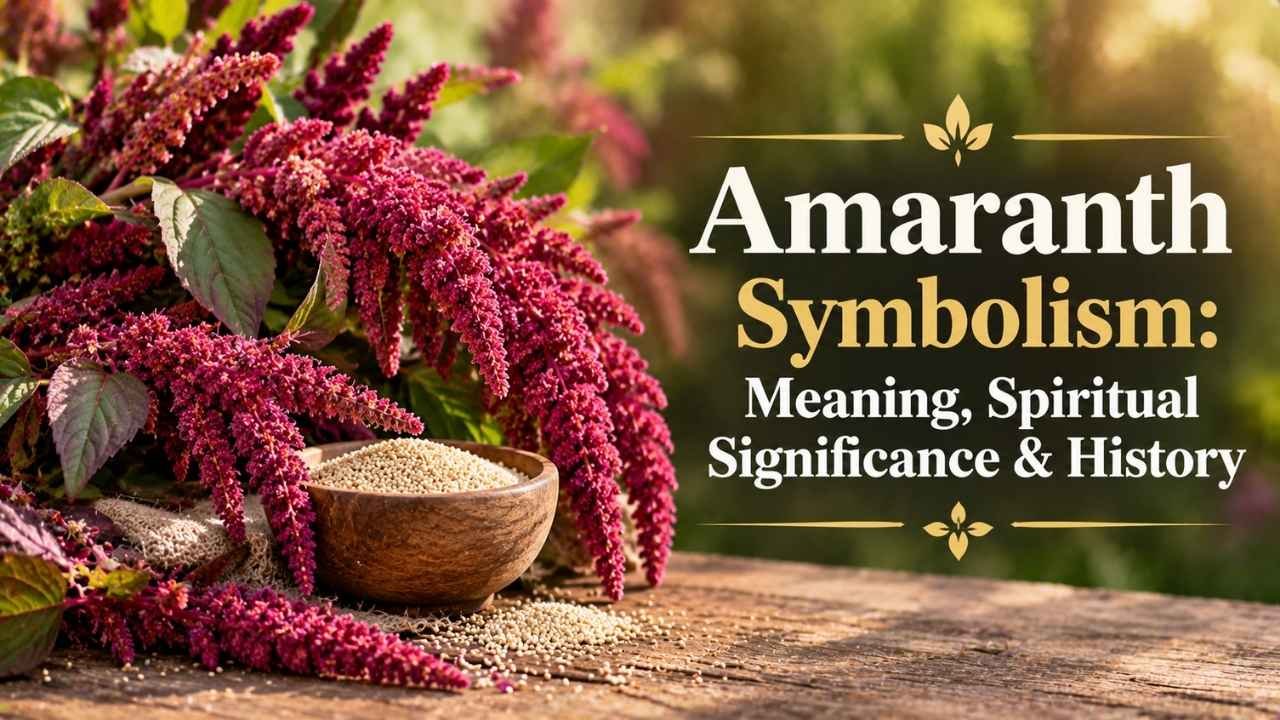
Amaranth flower has carried powerful meanings for centuries. People often connect amaranth symbolism with immortality, endurance, remembrance, resilience, and lasting love. Its connection with the idea of something “unfading” gives the flower a special place in mythology, culture, spirituality, and modern flower symbolism.
But amaranth means more than simply eternal life. Its symbolism can change depending on the culture, color, personal experience, and setting. Some people see it as a sign of strength and hope, while others connect it with love, grief, remembrance, or spiritual growth. In this guide, we will explore what amaranth symbolizes, where its meanings come from, and how people interpret its spiritual and cultural significance today.
Quick Answer
Amaranth symbolizes immortality, endurance, resilience, remembrance, lasting love, and unfading beauty. Its name connects with the idea of something that does not fade or wither, which helped create its association with eternal life. Spiritually, people may view amaranth as a symbol of strength, renewal, hope, healing, and lasting connection. Its meaning can also change across cultures, colors, relationships, and personal experiences.
What Does Amaranth Symbolize?
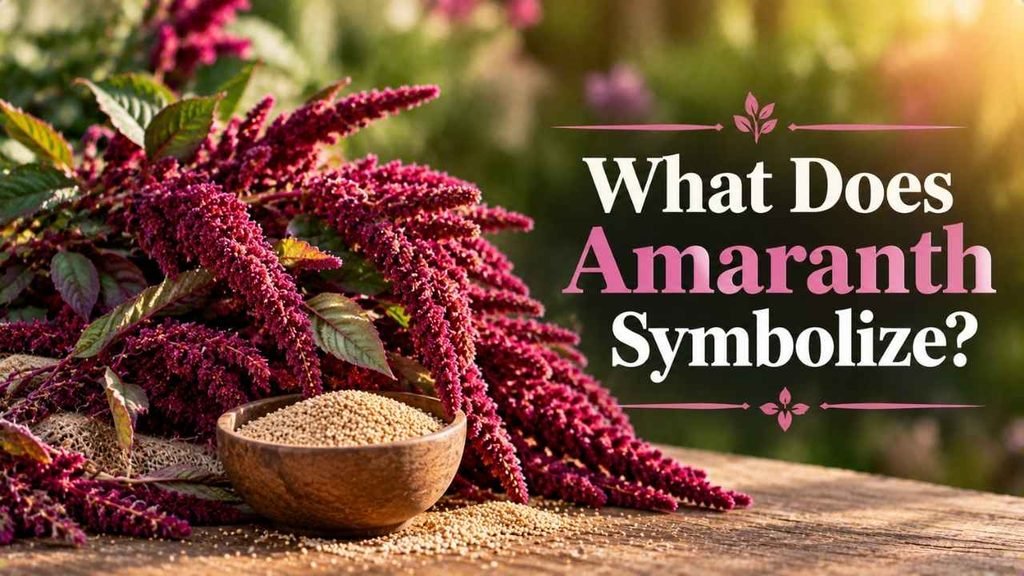
The amaranth flower symbolizes immortality, endurance, resilience, remembrance, lasting love, strength, and unfading beauty. These meanings come from the flower’s long history and its connection with the idea of something that does not easily fade. For this reason, people often see amaranth as a symbol of lasting life and lasting memory. Amaranth can also represent hope and renewal.
Its symbolism may speak to someone who has faced hardship but continues to move forward. In love, it can suggest devotion, loyalty, and affection that lasts through change. In remembrance, it can represent a person’s lasting place in your heart. The meaning of amaranth is not fixed, however. Culture, color, history, and personal experience can all shape how someone understands this powerful flower.
Why Is Amaranth a Symbol of Immortality?
Amaranth became strongly linked with immortality because of the meaning connected to its name. The Greek word amarantos carries the idea of something unfading or not withering. This idea gave the flower a natural connection with permanence and eternal life.
The flower’s lasting appearance also supports this symbolism. Some amaranth flowers can retain their strong color and form after drying, which makes them useful in dried arrangements. This lasting quality can remind people of something that continues even after change.
For this reason, amaranth flower symbolism often includes eternal life, longevity, permanence, and lasting beauty. Still, the idea of immortality is mainly symbolic, not a claim that the flower provides eternal life. It represents the hope that love, memory, beauty, or a person’s legacy can continue long after physical life changes.
The Spiritual Meaning of Amaranth
The amaranth spiritual meaning centers on ideas such as endurance, renewal, hope, healing, and lasting connection. Some spiritual traditions and modern interpretations view the flower as a reminder that people can continue growing through difficult experiences.
Amaranth can also symbolize spiritual resilience. Its unfading image may encourage someone to protect their inner strength when life becomes uncertain. In this sense, the flower can represent spiritual growth, transformation, renewal, and a continued search for meaning.
Some people also connect amaranth with divine connection, spiritual healing, and eternal soul symbolism. These ideas belong to personal or spiritual interpretation rather than scientific fact. Your own beliefs and life experience may shape the meaning you give the flower. At its heart, amaranth can serve as a simple reminder: change does not always mean an ending.
Amaranth Symbolism in Love and Relationships
In relationships, amaranth symbolizes lasting love, loyalty, devotion, and deep affection. Its connection with something unfading makes it a natural symbol for love that people hope will remain strong over time. The flower can represent everlasting love between partners, but its meaning can also extend to family members and close friends.
Someone may choose amaranth to express a bond that has survived distance, hardship, or major life changes. Amaranth can also carry meaning after heartbreak. A person may see it as a reminder that love can leave a lasting mark even when a relationship ends. In this way, amaranth flower meaning in love can include both connection and remembrance. The flower does not guarantee a lasting relationship. Instead, it gives people a visual way to express the hope, loyalty, and emotional value they associate with lasting love.
Amaranth Symbolism in Death, Grief & Remembrance
Amaranth has a natural connection with remembrance, grief, legacy, and lasting memory. Its association with immortality can create a powerful message after someone’s death: although a person’s physical life has ended, their memory can continue.
This makes amaranth meaningful for memorial flowers, sympathy arrangements, and remembrance ceremonies. Its unfading symbolism can represent the love that remains after loss and the memories that people carry forward. The flower can also represent enduring love after death.
Someone may choose it to honor a family member, friend, or partner whose influence continues to shape their life. At the same time, grief is personal. Not everyone will connect with the same flower or symbol. For some people, amaranth may express sadness and mourning. For others, it may focus more strongly on hope, legacy, and the belief that meaningful memories can endure.
Amaranth in Greek Mythology and Ancient History
The connection between amaranth and ancient Greece helps explain many of its symbolic meanings. The Greek idea behind amarantos describes something that does not fade or wither. This language helped connect amaranth with immortality, permanence, and eternal beauty.
Ancient stories and later European traditions expanded these ideas. Writers and artists used the flower as a symbol of things that could outlast ordinary change. Over time, its image became connected with eternal life, remembrance, and lasting beauty. Amaranth also appeared in later flower symbolism, where people used flowers to express emotions without directly saying them.
In that setting, amaranth could communicate ideas connected with unfading love and immortality. It is important to separate historical evidence from modern spiritual interpretations. Not every meaning found online comes directly from ancient Greece. Some modern meanings developed much later.
Amaranth in Mesoamerican and Indigenous History
Amaranth also has an important history in Mesoamerica, where people valued it as a food crop as well as a plant with cultural and ceremonial importance. This history gives amaranth a different symbolic layer from its Greek association with immortality.
Because people used amaranth for food and nourishment, it can represent survival, abundance, strength, and community. Its role in traditional life also connects it with cultural continuity and ancestral knowledge. Historical accounts describe ceremonial uses of amaranth among some Indigenous communities, particularly before Spanish colonization.
However, it is important not to treat every Indigenous culture as having exactly the same beliefs. This history gives the plant a broader meaning. Beyond amaranth flower symbolism, the plant can represent nourishment, resilience, cultural survival, and continuity. These meanings show how one plant can develop different symbolic roles in different societies.
Amaranth Symbolism by Color
The color of amaranth can change the way people interpret its symbolism. While color meanings are not universal historical rules, modern flower symbolism often gives different shades their own emotional themes.
Red amaranth can suggest passion, love, courage, and vitality. Purple or burgundy amaranth may represent mystery, dignity, spirituality, or deep emotion. Green amaranth can connect with growth, renewal, nature, and abundance. Gold or yellow amaranth may suggest prosperity, success, warmth, and positive energy.
Some interpretations also connect pink amaranth with affection and gentle love, while white can suggest purity, peace, or remembrance. These meanings work best as symbolic ideas rather than fixed definitions. If you choose an amaranth flower for a gift, tattoo, memorial, or arrangement, the color and personal meaning can work together to create a message that feels more specific.
What Does Amaranth Symbolize in Dreams?
Dream interpretations do not have one fixed answer, but amaranth dream meaning often focuses on endurance, growth, remembrance, or lasting emotional connections. Your feelings during the dream can matter as much as the flower itself.
Seeing a blooming amaranth may represent growth, hope, or a new stage of life. Planting amaranth could suggest patience and the desire to build something lasting. Receiving the flower may connect with love, appreciation, or remembrance.
A wilted or damaged amaranth may carry a different emotional message. Some people could interpret it as fear of losing something meaningful or concern about a relationship. Others may see it as a reminder that change is natural. Dream symbolism remains personal. Rather than treating a dream as a prediction, consider the people, emotions, memories, and events connected with the dream.
Amaranth Symbolism in Tattoos
An amaranth tattoo can carry several personal meanings, including resilience, strength, remembrance, eternal love, and transformation. People may choose the flower after overcoming a difficult period or to honor someone who continues to hold an important place in their memory.
The flower can also represent survival and perseverance. Someone who has experienced major change may use amaranth as a reminder that they can continue growing without losing their identity. Color can add another layer. A red design may emphasize love or passion, while purple may highlight spirituality or mystery.
A tattoo created as a memorial may focus more strongly on remembrance and lasting connection. There is no single correct amaranth tattoo meaning. The strongest design is often the one connected to a personal story. The flower gives the symbol a starting point, while your experience gives it its deeper meaning.
Amaranth Symbolism in Weddings, Gifts & Memorials
Amaranth can work well in settings where people want to express lasting love, devotion, remembrance, or new beginnings. In weddings, its unfading symbolism can represent a hope for a relationship that remains strong through the years.
People may also use amaranth in anniversary flowers, bouquets, and floral arrangements to express lasting affection. Its colors can help create a more personal message. For memorials and sympathy flowers, amaranth can represent enduring memory and love after loss. Its symbolism can offer a gentle message without making grief seem simple.
Dried and preserved amaranth also have practical appeal because they can maintain their visual character for a long time. This makes the flower useful in home décor, keepsakes, and remembrance arrangements. Whether you give amaranth as a gift or use it in an event, the meaning becomes strongest when it reflects the relationship and occasion.
What Amaranth Can Teach Us About Resilience
One of the most relatable parts of amaranth symbolism is its connection with resilience. The flower’s unfading image can remind us that difficult periods do not have to erase our strength, memories, or sense of purpose. Amaranth can represent the ability to keep moving forward after hardship. It can also symbolize patience, personal growth, renewal, and the courage to begin again.
This modern interpretation does not need to replace the flower’s historical meanings. Instead, it gives an old symbol a place in everyday life. Someone rebuilding after loss may see amaranth as a reminder of hope. Someone facing a difficult change may connect it with endurance. In this way, the flower becomes more than decoration. It can serve as a simple personal symbol for survival, growth, perseverance, and the choice to continue even when life does not go as planned.
Common Misunderstandings About Amaranth Symbolism
Amaranth has many meanings, but no single interpretation applies to every person or culture. One common mistake involves treating every symbolic meaning found online as an ancient belief. Some meanings come from history, while others developed through modern spirituality, flower language, art, or personal interpretation.
Another misunderstanding involves immortality. Amaranth can symbolize eternal life, but the flower does not provide literal immortality. Likewise, spiritual meanings such as healing, divine protection, or spiritual awakening should remain clearly identified as spiritual interpretations.
It is also important to remember that amaranth refers to a group of plants, not one identical flower. Different species and forms can have different cultural and practical histories. Understanding these differences makes amaranth symbolism more meaningful. Instead of searching for one “correct” definition, look at the history, culture, context, and personal meaning behind the symbol.
FAQs
What does amaranth symbolize spiritually?
Amaranth can symbolize spiritual endurance, renewal, hope, healing, transformation, and lasting connection. These meanings depend on personal or spiritual beliefs.
Is amaranth a symbol of immortality?
Yes. Immortality and eternal life are among the best-known symbolic meanings associated with amaranth because of its connection with the idea of being “unfading.”
What does amaranth mean in love?
Amaranth can symbolize lasting love, devotion, loyalty, affection, and enduring emotional connection.
What does an amaranth tattoo symbolize?
An amaranth tattoo may represent resilience, strength, remembrance, eternal love, survival, or personal transformation.
Does amaranth have a biblical meaning?
Amaranth does not have one universally established biblical meaning. Some modern spiritual sources connect it with eternal life, but those interpretations should not be presented as direct biblical teaching.
Is amaranth a symbol of remembrance?
Yes. Its association with immortality and lasting beauty makes it a natural modern symbol of remembrance, memory, and enduring love.
Conclusion
Amaranth symbolism brings together ideas of immortality, endurance, resilience, remembrance, lasting love, and unfading beauty. Its long history gives these meanings depth, while modern interpretations allow people to connect the flower with healing, hope, personal growth, and emotional strength.
The most powerful idea behind the amaranth flower meaning is perhaps its connection with something that continues rather than simply disappears. That idea can apply to love, memory, cultural traditions, personal strength, and the lessons we carry through life.
Whether you see amaranth as a spiritual symbol, a historical flower, a memorial choice, or a personal reminder of resilience, its meaning depends on context and personal connection. That flexibility is what makes this enduring flower such a rich symbol.